
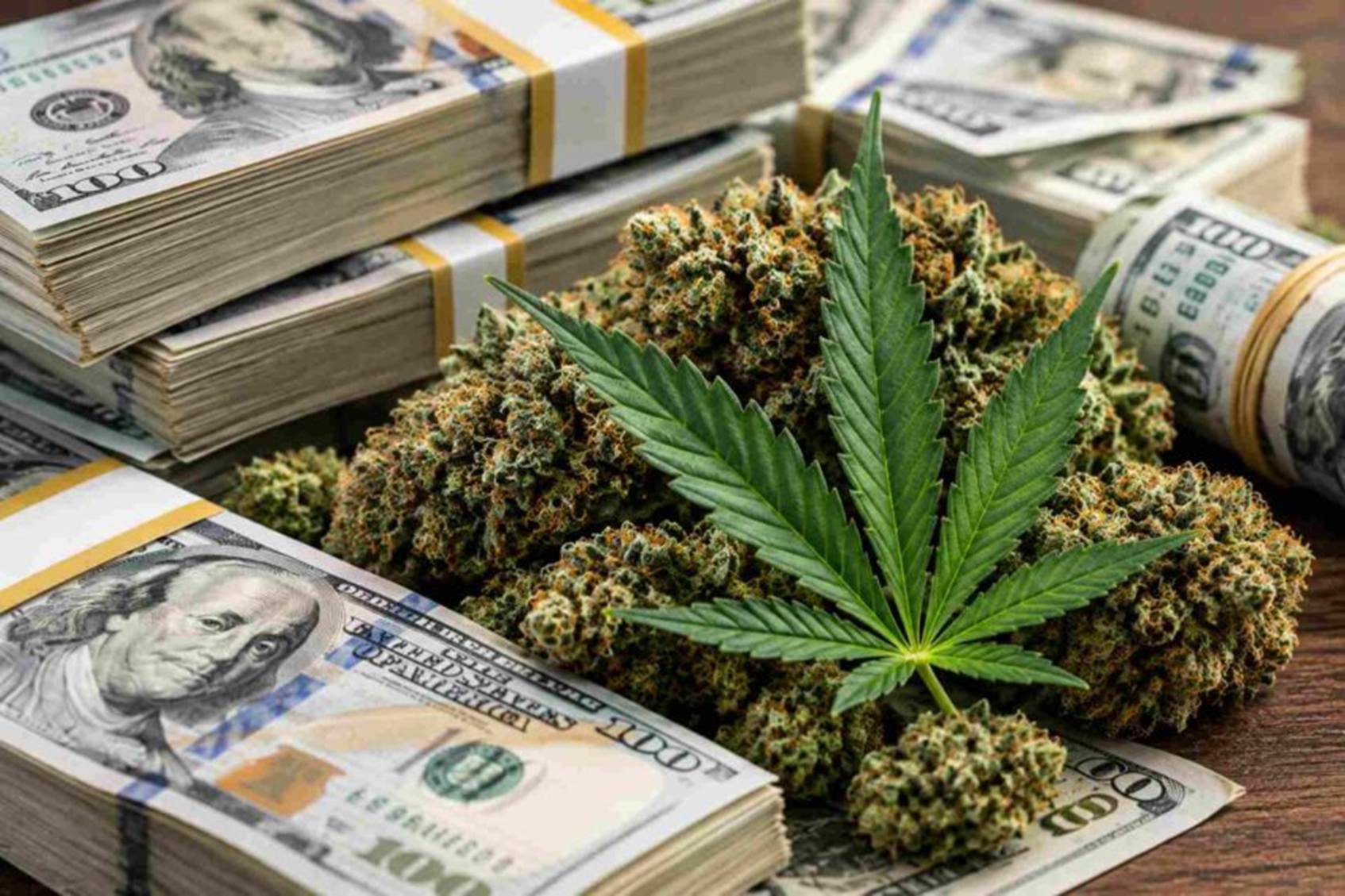
Marijuana industry funding is not the small, local story its supporters like to tell. A new tracker called Who Funds Marijuana Legalization? logs 62 entries showing that tobacco, alcohol and drug companies have put billions of dollars into the sector since 2018. The biggest marijuana operators, meanwhile, have spent heavily on ballot measures, lobbyists and political access in Washington.
The industry often calls itself a mom and pop movement. The records paint a different picture. Thetracker, last updated in September 2026, draws on company filings, campaign finance records and linked reporting. Its entries split into 9 tobacco, 12 alcohol, 8 pharma, 16 marijuana industry and 17 political cases.
 Big Tobacco Buys Into Marijuana
Altria, maker of Marlboro, paid $1.8 billion in December 2018 for 45% of Canadian producer Cronos Group. It also took four of seven board seats and signed a global marijuana exclusivity deal. That investment is now worth $319 million.
British American Tobacco has been just as active. It has funded Canadian producer Organigram in three rounds, starting with C$221 million for 19.9% in 2021. Imperial Brands, for its part, bought a C$123 million convertible note in Auxly and took a board seat.
Marijuana industry funding from tobacco firms also extends to lobbying. Altria helped found a coalition called CPEAR with Molson Coors, Constellation Brands and the convenience store lobby. Its aim is a federal marijuana framework. The tracker’s warning is blunt: preventing another Big Tobacco starts with knowing who writes the cheques.
Alcohol and Pharma Place Their Own Bets
Constellation Brands, maker of Corona and Modelo, spent C$5 billion (US$4 billion) for about 37% of Canopy Growth. The tracker calls it the largest investment in the industry’s history. Most of it has since been written off.
Alcohol companies have now turned to hemp THC drinks. The Wine and Spirits Wholesalers of America launched a campaign to sell them through the alcohol system and cites $28.4 billion in potential market activity. NielsenIQ puts retail sales of THC drinks near $250 million, with about $150 million of that in liquor stores.
Pharma has its own stake. Jazz Pharmaceuticals paid $7.2 billion for GW Pharmaceuticals, maker of Epidiolex. Its lobbyists then worked on hemp and CBD rules covering products that compete with its prescription CBD. Insys Therapeutics went further. It gave $500,000 to defeat Arizona’s 2016 legalisation measure while telling the SEC that legal marijuana would compete with its synthetic THC drug.
Political Cash Follows the Same Path
Marijuana industry funding in politics comes largely from the five biggest operators, who supply nearly all the money behind marijuana legalisation. Trulieve provided $144.6 million of the $153.8 million (94%) behind Florida’s 2024 Amendment 3. It then added at least $32.4 million to a 2026 rerun, bringing its Florida total to about $177 million.
In June 2026, six marijuana companies gave $11.5 million in a single month to a super PAC linked to Trump. According to FEC filings cited by the tracker, marijuana money to Trump linked super PACs has passed $15 million since 2025.
Lobbying tells a similar story. OpenSecrets figures show marijuana clients reported $5.2 million in federal lobbying in 2024. More than half of the industry’s registered lobbyists that year had worked in government before.
The Revolving Door Keeps Turning
Marijuana industry funding has a people side too, and former officials appear throughout the list. Former House Speaker John Boehner joined the board of Acreage Holdings in April 2018. The New York Times reported that his shares carried the prospect of a payday as high as $20 million. Boehner and former HHS Secretary Kathleen Sebelius later became honorary chairs together of the National Cannabis Roundtable.
Other names include former Senate Majority Leader Tom Daschle, former Senator Cory Gardner and former Deputy Attorney General James Cole. Altogether, the tracker lists 17 politicians and regulators who took paid or advisory roles.
Why Marijuana Industry Funding Matters
Not every bet paid off, and the tracker says so. Several big investments were written down or sold. Even so, the spending shapes the rules, the ballot questions and the public debate.
Communities weighing legalisation deserve to know who is paying for the message. The money behind marijuana legalisation comes from companies with decades of experience selling products that harm health. Before the next ballot measure or federal ruling, voters should ask a simple question. Who paid for it?
(Source: WRD News)