
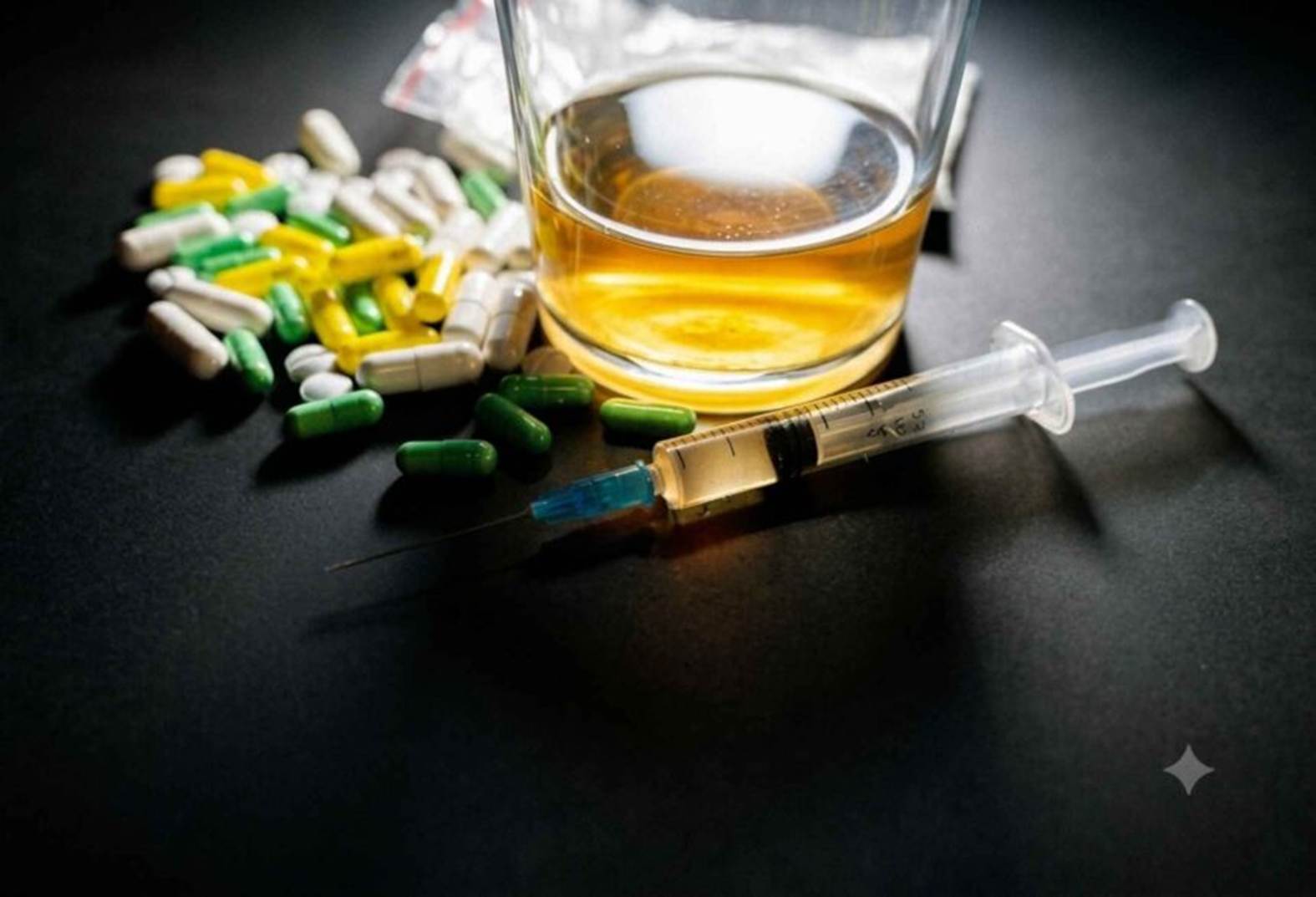
Drug and alcohol deaths in Australia climbed again in 2025. The Australian Bureau of Statistics (ABS) has released its latest figures on external causes of death, and the numbers make sobering reading. In total, 13,793 deaths were initially classified as external causes. Drugs and alcohol sit at the heart of that toll, and both measures rose.
 Drug and Alcohol Deaths in Australia Rose on Both Counts
The ABS recorded 2,063 drug induced deaths in 2025. That figure includes 1,372 males and 691 females. In 2024 the count stood at 2,007. Alcohol induced deaths moved in the same direction, rising from 1,781 to 1,829. Males accounted for 1,307 of those deaths and females for 522. Together, these trends add to the national toll from drug and alcohol deaths in Australia. However, these figures are preliminary. Drug induced deaths take a long time to certify, so the ABS expects the count to grow as revisions arrive. Revised data will appear in early 2027. As a result, the final toll is likely to sit higher than today’s headline.
What the Drug Death Figures Reveal
Around 70% of drug induced deaths were accidental. The age standardised rate reached 7.4 deaths per 100,000 people, up slightly from 7.3 in 2024. Opioids and stimulants were the most common drug classes found in toxicology. Men died at twice the rate of women, with a sex ratio of 2.0. The median age at death was 48.2 years, and the largest share of deaths for both sexes fell between 45 and 54.
Geography matters too. People living outside capital cities recorded a rate of 7.6 per 100,000, compared with 7.2 in the capitals.
Alcohol Harm Builds Over Many Years
Most alcohol induced deaths do not come from a single night of heavy drinking. In fact, 88.6% resulted from chronic conditions such as alcoholic liver disease, alcohol dependence and alcoholic cardiomyopathy. Alcoholic liver disease alone claimed 1,089 lives. The median age at death was 57.9 years.
Acute deaths also rose. Accidental poisoning by alcohol increased from 147 deaths to 165, and total acute alcohol induced deaths reached 208, up from 184 in 2024. The female death rate rose from 3.1 to 3.4 per 100,000. The male rate eased from 9.0 to 8.8. Overall, the age standardised rate stood at 6.0 deaths per 100,000 people. Because doctors certify about 66% of these deaths, this data is less likely to change in revisions.
Where Work Fits Into the Picture
The ABS presented occupation data for drug induced deaths, and it still counts as experimental. Technicians and trades workers were the most commonly reported group, with 346 deaths. Among men they made up 23.5% of drug induced deaths. Labourers recorded the highest male rate at 27.3 per 100,000, and the rate reached 61.6 for male labourers aged 45 to 54. For women, professionals were the most commonly reported group at 15.5%.
Readers should treat these rates with care. The ABS built them from 2021 Census data, and death registrations may list a current or previous job. The pattern shows the workplace as a place where prevention could cut drug and alcohol deaths in Australia.
A Wider Toll That Demands Attention
Drug and alcohol deaths in Australia sit within a larger set of preventable losses. Accidents made up 9,751 of the external deaths, and suicide accounted for 3,283. The ABS also counted 29,551 potentially avoidable deaths in 2025, and 26.3% of them came from external causes.
Every one of these numbers represents a person, a family and a community. Rising drug and alcohol related deaths show that the problem is not fading by itself. Therefore, tackling drug and alcohol deaths in Australia starts with early intervention, honest conversation and strong support for families. Anyone worried about their own use or a loved one’s can call the National Alcohol and Other Drugs Hotline on 1800 250 015 or Family Drug Support on 1300 368 186.
(Source: WRD News)