
 Workplace drug and alcohol testing is back in the spotlight as American employers face a shifting federal stance on marijuana. A November 2026 overview by Russell Rendall for Reuters Practical Law sets out where the rules stand for private employers. Its core message is plain. Federal law gives employers wide latitude to keep workplaces free of illegal drugs and alcohol, and the loud debate over medicinal use has not changed that.
Workplace Drug and Alcohol Testing Gives Employers Real Power to Protect Safety
The Americans with Disabilities Act (ADA) lets employers ban illegal drugs and alcohol on site. It also lets them bar staff from working while under the influence. Employers do not have to adopt such a policy, but many choose to, and the law backs them when they do.
Staff who struggle with drugs or alcohol must still meet the same standards of conduct and performance as everyone else. A substance problem does not excuse poor attendance or poor work.
The ADA treats workplace drug and alcohol testing differently for each substance. An alcohol test counts as a medical examination, so for current employees it must be job related and consistent with business necessity. Reasonable suspicion of drinking at work usually clears that bar. A drug test is not a medical examination under the ADA. Employers may therefore test for pre employment, reasonable suspicion, random and post incident purposes, depending on the job. State law may narrow these options.
Why a Medicinal Label Does Not Switch Off Safety Duties
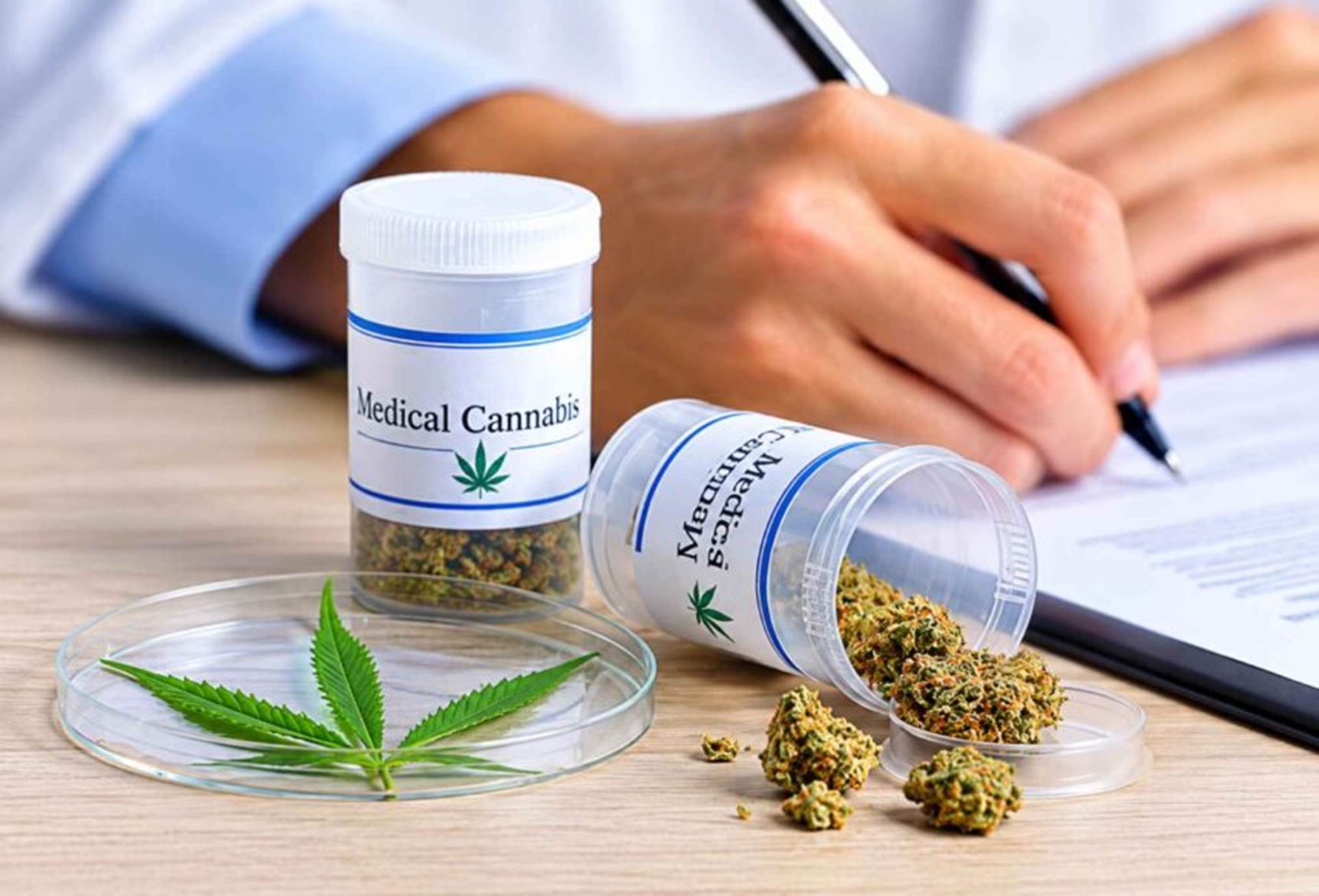
Marijuana is where the argument is loudest. On 28 April 2026, the Drug Enforcement Administration moved FDA approved marijuana products and state licensed medical marijuana from Schedule I to Schedule III. Every other form of marijuana stays in Schedule I and remains illegal under federal law.
The change is also under attack. Petitions in the US Court of Appeals for the DC Circuit ask the court to stay the rule and ultimately vacate it. Meanwhile, the DEA began an expedited hearing process on 29 June 2026 to consider broader rescheduling. Any firm reviewing workplace drug and alcohol testing now has to weigh that uncertainty.
Slogans about a right to use drugs for medicinal purposes sound simple. The law is not. Rendall notes that medical marijuana users may no longer be automatically shut out of ADA protection, but they are not automatically entitled to an accommodation either. An employer may need to act only where three things hold. The employee lives in a state with legal medical marijuana, uses it on a doctor’s certification, and relies on properly DEA registered providers.
Even then, the usual safety questions apply. Can the person perform the essential functions of the job? Does the accommodation cause undue hardship or create a direct threat? Employers in safety sensitive roles must still follow Department of Transportation rules, and federal contractors must meet the Drug Free Workplace Act. Employers also have no duty to accommodate recreational use. In many states, nobody has to tolerate marijuana use inside the workplace, medical certificate or not.
A medicinal label opens a legal question. It does not answer it. For colleagues who share a site, a vehicle or a machine, safety and wellbeing must come first.
Recovery Deserves Protection Too
Strict rules are only half the story. The same law shields people in recovery. Individuals who are recovering or recovered from drug addiction may count as disabled under the ADA. Employers must accommodate them where it is reasonable and not an undue burden.
The overview offers practical examples. An employer could assign a nurse in recovery to patients who do not need narcotics. An employee recovering from alcoholism might get a modified schedule so they can attend self-help meetings, or unpaid leave to complete a rehabilitation programme. The ADA also protects workers wrongly assumed to be using illegal drugs.
That balance matters. A firm line on use at work and real support for recovery can sit together in a single testing policy.
States Add Another Layer to Employee Drug and Alcohol Screening
No state requires private employers to test, but many regulate how workplace drug and alcohol testing works. Some require it for particular industries. Kentucky, for example, covers school bus drivers and miners, while Utah applies testing duties to organisations that store high level nuclear waste.
Marijuana laws add further complexity. About half of all US states and the District of Columbia have legalised recreational use. California, New York City, Philadelphia and Washington state limit pre employment marijuana testing. In Delaware, an employer cannot assume impairment simply because a test finds marijuana. In Massachusetts, off duty medical use may be a reasonable accommodation.
Courts have not gone one way, though. The Fourth Circuit held that two positive tests were a legitimate reason to dismiss an employee under the ADA, even where the drug treated a disability.
What Employers Should Do Next
The overview closes with practical advice. Review any employee drug and alcohol screening programme against state and local law first. Consider a written policy even where testing is not compulsory. Watch the DEA rule and the court challenges closely, because both could reshape policy. Employers should also take advice from experienced employment counsel before acting on any positive marijuana test.
For any business with workplace drug and alcohol testing on its agenda, the lesson is simple. Clear rules protect staff, and support for recovery protects them further.
(Source: WRD News)