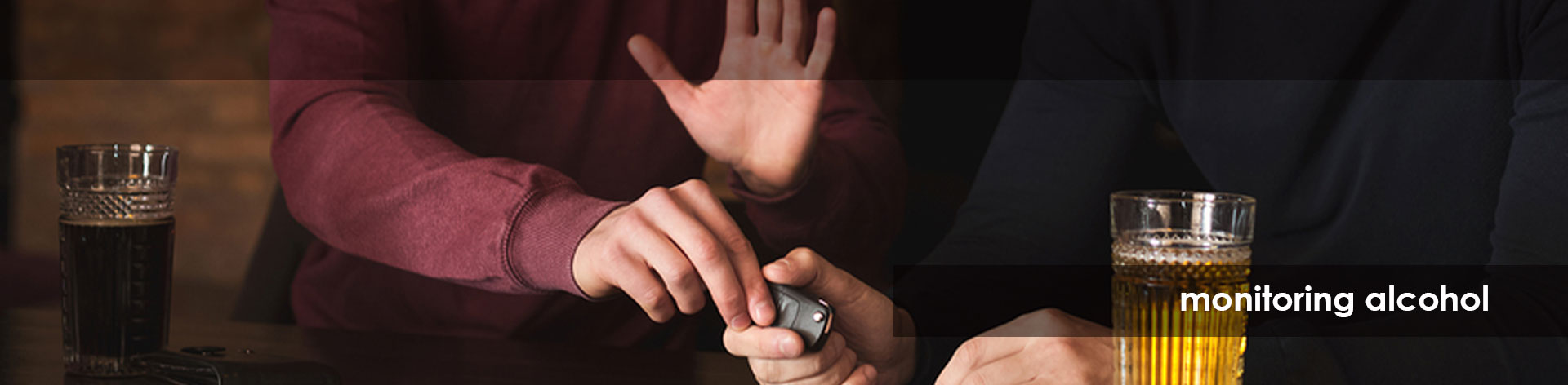
Aussie drink-driving laws have similar penalties, but our BAC level is still at .05. This will be moved to .02 in the coming years. Be safe for you, your family and the person you may injure because, you thought you were ‘ok to drive!’
SHOULD YOU BE DRIVING? DON'T DRINK AND DRIVE....EVER!
“That study further established that no level of alcohol consumption is safe.”
February, 2022
A new large-scale genetic study tracking 150,000 Chinese participants for 11 years establishes that “alcohol directly causes cancer.”
The study was published in end-January on the International Journal of Cancer. Researchers found that those who had two genetic variants that reduce alcohol tolerance consumed less alcohol, and as a result had reduced risk of cancer compared to those who did not have the genetic variants and consumed more alcohol.
That study further established that no level of alcohol consumption is safe. While most cancers were caused by heavy (47%) or high-risk (39%) alcohol use, even low-risk alcohol use led to cancer 14% of the time.
Consistent with previous studies, the new research found that among the participants those with the genetic variants for low alcohol tolerance consumed less alcohol, compared with those who did not have the variant
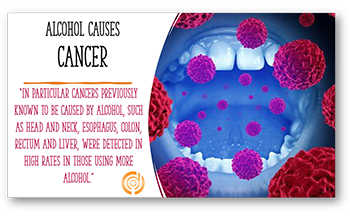
In particular cancers previously known to be caused by alcohol, such as head and neck, oesophagus, colon, rectum and liver, were detected in high rates in those using more alcohol.
For immediate release: JANUARY 21, 2022 Media contact: Maik Dünnbier +46 721 555 036 @maikduennbier
Big Alcohol Attempts to Undermine WHO Global Action Plan
Geneva, Switzerland, January 21, 2022 – Alcohol companies and their lobby groups are systematically working to undermine and water down global alcohol policies that would reduce the harms associated with their products, according to a new report.
The report from the Centre for Alcohol Policy Research (CAPR) at La Trobe University, released today by the Foundation for Alcohol and Research Education (FARE), found that Big Alcohol deliberately worked to water down the World Health Organization’s (WHO) draft Global alcohol action plan 2022-2030 to strengthen implementation of the WHO Global Alcohol Strategy (the Action Plan).
In 2010, the WHO released the Global Alcohol Strategy. However, in 2020, the WHO commenced the development of the Action Plan after progress on the Global Alcohol Strategy had been largely absent.
The alcohol companies and their lobby groups made 60 submissions to the consultationon the Action Plan, making up nearly a quarter (24 per cent) of all submissions.
Many of these submissions made misleading claims and misrepresented evidence in an attempt to cast doubt on public health measures that are proven to prevent and reduce the harms from alcohol. The analysis found:
Nearly all these submissions (90%) called for greater alcohol company involvement as a stakeholder/partner in reducing alcohol harms and policymaking;More than half (56%) of the submissions cast doubt on the WHO ‘SAFER’ initiative – evidence-based policies that target the price, availability and promotion of alcohol products, as well as policies to improve health services and prevention of driving under the influence of alcohol. The report also found that only 36% (17) of these submissions referenced any specific evidence to support their arguments, and of these, ten misinterpreted the evidence, and nine promoted weak evidence.
CAPR Distinguished Professor, Professor Robin Room, said that the findings show that alcohol companies and their lobby groups are using well-known tactics to water down health policy.
"In terms of the use of evidence, our analysis identified alcohol industry actors employing practices of misrepresentation, misinterpretation and promotion of weak evidence over stronger evidence, as researchers looking at policy submissions elsewhere from the industry have also found,” Professor Room said.
CAPR Distinguished Professor Robin Room
The WHO has released a revised draft of the Global Action Plan. FARE compared the Working Document and third draft of the Global Action Plan and found changes consistent with recommendations made by alcohol companies and their lobbyists, including:
A decreased emphasis on implementing the SAFER initiative – evidence-based policies that target the price, availability and promotion of alcohol products, as well as policies to improve health services and prevention of driving under the influence of alcohol, andChanging actions relating to alcohol marketing, enabling alcohol companies to set their own standards and rules rather than governments. FARE CEO, Ms Caterina Giorgi, said that alcohol companies have been lobbying for decades to minimise health concerns and delay effective measures to prevent and reduce the harm from alcohol.
"Alcohol causes considerable harm to millions of people across the world, which is why strong global action is needed to ensure that governments are doing all they can to reduce the harm from alcohol,” Ms Giorgi said.
"In Australia, we’ve seen alcohol companies fight for 20 years against pregnancy health warnings. We’ve seen them attempt to water down the National Alcohol Strategy and stall the release of the National Alcohol Guidelines. We’re now seeing their efforts to weaken Food Standards Australia New Zealand (FSANZ), the independent agency that oversaw the process for the development of pregnancy health warnings.
"Alcohol companies have proven time and time again that they only engage to weaken efforts by governments to protect the health and wellbeing of the community. They should have no role in the development of health policy.”
Caterina Giorgi, CEO, FARE
Movendi International President, Ms Kristina Sperkova, said that the global alcohol industry is doing everything it can to derail the WHO effort to accelerate action on alcohol as a public health priority.
"Countries around the world report that alcohol industry interference is the biggest reason for lack of progress in reducing the alcohol burden. The alcohol industry is undermining the science and misleading the public on the harms associated with their products,” Ms Sperkova said.
"After a lost decade for alcohol policy progress, the alcohol industry should not be allowed any longer to disguise the fact that their products cause cancer, are toxic, addictive, and teratogenic. The alcohol industry has a fundamental conflict of interest, and the WHO should protect its health policy formulation processes from alcohol industry interference.”
Kristina Sperkova, International President, Movendi International
The WHO is due to consider the Global Action Plan at the 150th session of the Executive Board of WHO held between 24 and 29 January 2022.
The Foundation for Alcohol Research and Education (FARE) is the leading not-for-profit organisation working towards an Australia free from alcohol harms. FAREdoes this through developing evidence-informed policy, enabling people-powered advocacy and delivering health promotion campaigns.
With 135 Member Organization from 54 countries, Movendi International is the largest independent global movement for development through alcohol prevention. We unite, strengthen and empower civil society to tackle alcohol as serious obstacle to development on personal, community, societal and global level.
About the World Health Organization process to develop a global alcohol action plan
The World Health Organization (WHO) is conducting an extensive consultation process to develop a global alcohol action plan to accelerate action on alcohol harm is public health priority – an urgent need according to WHO Member States.
But the alcohol and tobacco industries are interfering in the process to develop the action plan.
While the policy development process is a unique chance to make alcohol policy the priority it should be, the process also highlights WHO’s vulnerability to increasing alcohol industry interference.
WHO: Global Alcohol Action Plan Consultation Submissions PublishedWHO Should Not Support Alcohol Industry Co‐Regulation of Public Health LabellingCivil Society Steps Up to Help Accelerate Alcohol Policy Action Worldwide
Since pouring their first drink less than three years ago an Australian non-alcoholic beverage company is set to be valued at $1bn this year as the world wakes up from its Covid-19 hangover and embraces healthier drinking alternatives.
Serial entrepreneurs Carl Hartmann and Mark Livings have raised more than $63m to ensure the expansion of Lyre’s Non-Alcoholic Spirit Co which currently has a presence in 63 countries and annual revenue of around $50m.
Mr Hartmann, who is based on the Sunshine Coast in Queensland, expects Lyre’s to be valued at $1bn by the middle of 2022.
Lyre’s, which takes its name from the lyrebird because the company set out to mimic a full range of “true-to-taste” non alcoholic spirits, was established in April 2019.
Since launching, it has won more than 200 awards in the non-alcoholic spirit category. It has more than 100 staff around the world, with its headquarters in London and production plants in Melbourne, the UK, Germany and the US.
In Australia Lyre’s products are sold in Woolworths, Coles, Dan Murphy’s, IGA and major hospital operators. Mr Livings is Lyre’s chief executive and lives in Amsterdam.
Mr Hartmann said the Covid-19 pandemic marked a shift in people’s attitudes.
“One of the things we’ve noticed through the pandemic is that people are getting through to the other side of this way more health conscious and they are more mindful of what they put into their bodies,” he said.
Marcia Langton, a leading Indigenous academic who has studied rates of child rape and prostitution in the far northeast of Western Australia, has backed moves by the state’s Police Commissioner to ban the sale of full-strength alcohol in the region.
A confidential report by Professor Langton and colleagues from the University of Melbourne describes “the shocking extent, gravity and normalisation of violence for the Indigenous community” in the region that takes in the towns of Wyndham, Kununurra and surrounding Aboriginal communities.
Child rape and child prostitution were increasing but unreported in Kununurra, according to residents, Aboriginal people and service providers who gave evidence about the harm caused by alcohol in the region.
The report is among documents provided by WA Police Commissioner Chris Dawson to WA director of liquor licensing Lanie Chopping as proof that the Kimberley is in crisis and that severe blanket restrictions are necessary. Ms Chopping is taking responses from licensees until July 2022 before making a decision.
Mr Dawson wants bottle shops across the entire Kimberley banned from selling full-strength alcohol. His stance has pitted him against the McGowan government for more than two years. WA Premier Mark McGowan has repeatedly said he prefers a banned drinkers register, which is being trialled in the Kimberley.
Professor Langton, who has worked with the commonwealth government and 51 other prominent Australians to design a proposal for the Indigenous voice, believes Mr Dawson is justified.
“All the evidence points to the conclusion that the Police Commissioner has arrived at. I must agree with him,” she said.
“The alcohol industry must not be allowed to profit from the social disadvantage and circumstances in remote Western Australia. The industry has lost the argument about socially responsible drinking because the enormous costs in lives taken or irreparably damaged by alcohol and alcohol-fuelled violence are not justifiable.”
The researchers relied on police data and interviews with 66 residents, health workers, lawyers and other service providers during four field trips between November 2018 and May 2019.
“Many community members and service providers disclosed incidences of rape, sexual abuse and child prostitution in Kununurra. It was also reported that these types of incidents have increased in recent years and regularly go unreported and undisclosed,” the report states. The report found the severity of family violence was extreme. Victims of sex crimes were disproportionately children and Indigenous. More than half – 54 per cent – of all sexual assaults in the Wyndham-East Kimberley region between 2009 and 2019 were committed against children aged 17 or younger.
According to the 2016 census, just 28.7 per cent of the region’s population were aged 19 or under. Of the children sexually assaulted in that 10-year period, 73 per cent were Aboriginal and Torres Strait Islander girls and young women. Across the region, 37.2 per cent of residents are Indigenous.
The report finds the rate of alcohol-related assaults in the region nearly doubled between 2009 and 2019. Domestic assaults also increased at disturbing rates over that time, more than tripling.
“Alcohol was a recurrent and ever-present factor, exacerbating and contributing to violence in its many forms,” the report authors wrote.
Assault rates for the entire Wyndham-East Kimberley region increased 56 per cent between 2009 and 2019.
(Dalgarno Institute continues to lobby for the following interventions, as it has done so in both NSW and Victoria in the past year)
Dozens of health experts are pushing to ban booze deliveries to homes after 10pm following an increase in alcohol-related deaths during lockdowns.
Australian Bureau of Statistics data revealing an eight per cent jump in alcohol-related deaths during 2020. Professor Rosemary Calder from Victoria University’s Mitchell Institute and AHPC said banning late night home booze deliveries was needed to save lives and cut rising rates of chronic illness linked to risky drinking.
Statistics revealed an eight per cent jump in alcohol-related deaths during 2020.
“The potential for unrestricted access to alcohol, late night trading and late night deliveries in particular, are likely to literally fuel risk risks to vulnerable people, whether it’s from intoxication, overconsumption of alcohol or violence,” Prof Calder said.
The AHPC push is being backed by health and policy experts from across Australia’s universities and research centres, recommending restricted late night supply of alcohol, banning booze sales after 3am and only allowing home delivery to between 10am and 10pm.
“We have seen a big jump in both men and women dying from an alcohol-induced illness such as poisoning or liver disease, however even relatively limited alcohol consumption is associated with an increased risk of many chronic illnesses, including breast and other cancers, heart disease, stroke, dementia, depression and anxiety,” Professor Calder said.

 A new large-scale genetic study tracking 150,000 Chinese participants for 11 years establishes that “alcohol directly causes cancer.”
 Geneva, Switzerland, January 21, 2022 – Alcohol companies and their lobby groups are systematically working to undermine and water down global alcohol policies that would reduce the harms associated with their products, according to a new report.
 The Foundation for Alcohol Research and Education (FARE) is the leading not-for-profit organisation working towards an Australia free from alcohol harms. FAREdoes this through developing evidence-informed policy, enabling people-powered advocacy and delivering health promotion campaigns.
  With 135 Member Organization from 54 countries, Movendi International is the largest independent global movement for development through alcohol prevention. We unite, strengthen and empower civil society to tackle alcohol as serious obstacle to development on personal, community, societal and global level.
 Marcia Langton, a leading Indigenous academic who has studied rates of child rape and prostitution in the far northeast of Western Australia, has backed moves by the state’s Police Commissioner to ban the sale of full-strength alcohol in the region.


