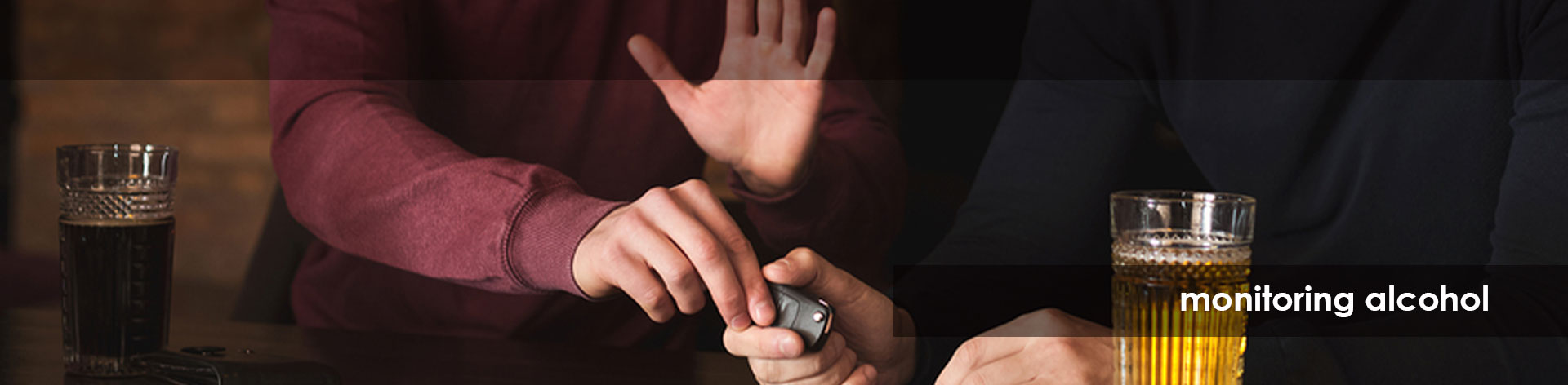
Aussie drink-driving laws have similar penalties, but our BAC level is still at .05. This will be moved to .02 in the coming years. Be safe for you, your family and the person you may injure because, you thought you were ‘ok to drive!’
SHOULD YOU BE DRIVING? DON'T DRINK AND DRIVE....EVER!
About half (51 per cent) reported that there has been an increase in the involvement of alcohol in family violence situations since the COVID-19 restrictions were introduced, while 40 per cent said alcohol’s involvement had not changed and none of the respondents reported decreased involvement.
Current issues with alcohol use and family violence identified included: » increased alcohol use because of changed circumstances » alcohol use increasing verbal and physical abuse » alcohol adding to financial strain on the family.
A new report by the NCD Alliance and the SPECTRUM Research Consortium has exposed how Big Alcohol along with other unhealthy industries turns COVID-19 into the world’s largest marketing campaign. The report outlines four main strategies used by these industries and contains more than 360 examples of alcohol industry activities exploit the public health crisis to pursue profit maximization.
Since the COVID-19 pandemic emerged Non-Communicable Diseases (NCDs) such as obesity, heart disease, lung disease, liver disease and cancer were identified as risk factors for contracting the virus and experiencing more severe COVID-19 progression. But even before the pandemic NCDs deserved urgent attention, as the world’s biggest killer, causing about 41 million deaths per year. The pandemic further exacerbated the existing health burden due to NCDs.
Alcohol use along with tobacco use, unhealthy diet, lack of exercise and air pollution are the major risk factors for NCDs. Therefore, the strategies and efforts of the producers of these health harmful products in exploiting the pandemic to further their marketing, sell more products and protect their profits are unethical. It shows that even during a public health crisis, profit maximization is what matters to these Big Corporations, even at the cost of human lives.
Four main corporate strategies
The report outlines four main strategies used by these industries:
Pandemic-tailored marketing campaigns and stunts,
Corporate social responsibility programmes,
Fostering partnerships with governments, international agencies and NGOs, and
Shaping policy environments.
The report highlights the following key findings:
The consistency with which corporate actions have been selected to advance longstanding strategic priorities. Multiple initiatives publicly presented as contributions to national or international efforts to combat the pandemic and support communities were actually designed to promote brands, products and corporations whose economic interests frequently conflict with public health goals.
The rapid adaptation of marketing and promotional activities to address a changing trade context and exploit lockdown demonstrates that a global crisis does not displace maximizing shareholder revenue as the key driver of corporate behavior.
The appropriation of health and social justice causes and frontline workers in the guise of philanthropic initiatives illustrates how corporate social responsibility programmes are shaped by promotional priorities and constitute a specific form of marketing.
The pandemic created new opportunities – otherwise unavailable – for unhealthy commodity companies to falsely position themselves as partners in progress for health and sustainable development with governments, international organisations, health agencies and leading NGOs.
The volume and global reach of actions by alcohol and junk food industries demonstrate the need to advance international efforts to manage conflicts of interest.
It is important to ensure that initiatives to address the pandemic are coherent with related health and development priorities, notably including effectively tackling NCDs. This imperative raises important questions for governments and for international organisations about their interactions with unhealthy commodity industries.
Moderate alcohol use is associated with neuronal changes in both males and females suggesting health risks that should not be overlooked. We found a direct association between moderate alcohol consumption and decreased brain volume at early middle-age in both males and females. Understanding of the mechanisms of moderate drinking on the brain is incomplete, but even moderate alcohol consumption may have a harmful effect already in middle-age. Recent systematic analysis on alcohol use and global disease burden suggests that the level of consumption that minimizes health loss is zero 31. The risk that even moderate drinking poses on the brain should not be overlooked
You may not think a small glass of wine could help cause you to pile on the pounds, but new research has linked less than one alcoholic drink a day to obesity.
The National Medical Centre in Seoul found that just half a glass of wine or a small bottle of beer a day can lead to metabolic syndrome – a mix of obesity, diabetes and high blood pressure.
Scientists from the National Medical Centre in Seoul looked at nearly 27 million adults, more than half the population of South Korea.
They found men who drank as little as 7g of pure alcohol, around half a glass of wine or bottle of beer, a day were up to 10% more likely to be obese.
Mike Davis shares findings from TaskForce’s demographic survey which shows how COVID-19 has prompted growing demand for drug and alcohol counselling services and led to a rise in the number of people facing unemployment, economic disadvantage and poorer mental health.
The onset of COVID-19 has had a significant impact on all Victorians. However, the impact on vulnerable Victorians experiencing a range of pre-existing social and health issues has been somewhat under-explored.
Increasing alcohol and drug counselling focus
Our service mix also changed showing a sharp increase in the amount of services focused on alcohol and drug counselling. Activity went from a range of 20 to 30 per cent pre-pandemic to between 60 to 80 per cent mid-pandemic. This represents an approximate 100 per cent increase in demand.
This is reflective of general community trends, showing an increase in drinking and drug use during COVID-19. This may also reflect our client’s challenges in responding to the circumstances of COVID-19, which have included job losses and insecurity, education programs put on hold and increased social isolation, stress, anxiety and financial hardship. These are all factors which may have contributed to excessive drinking and drug use.
Seeing more younger clients
During COVID-19 we observed an increase in the percentage of younger adult clients attending our services (25 to 34). Pre-pandemic this ranged between 20 and 30 per cent of clients and this jumped to 30 to 40 per cent of clients mid-pandemic reaching a peak of 64 per cent of clients mid-August.
In early August, 73 per cent of clients visiting were under 34 years of age as opposed to this averaging between 50 to 55 per cent pre-pandemic.
This trend toward youth might reflect the general trend toward increased alcohol purchase and daily consumption since the onset of COVID-19. Recent FARE polls indicated that 20 per cent of people were purchasing more alcohol during COVID-19 and 34 per cent of this group are now drinking daily.
This demographic may also be particularly impacted by economic uncertainty, lower-skilled, less secure and less well-remunerated jobs.
Our clients are experiencing poorer subjective mental health and wellbeing
The proportion of our clients experiencing poor psychological health of four out of 10 or less has increased from pre-pandemic levels. Pre-pandemic this was about 35 per cent of our clients and since the onset of COVID-19 has risen to 55 to 65 per cent of our clients.
Summary
TaskForce as a wraparound service provider works with a wide range of clients facing various health and social issues. Our clients are particularly vulnerable to a crisis such as COVID-19.
The current COVID-19 crisis has highlighted the growing demand for drug and alcohol counselling services, particularly for younger clients, that are remote, flexible and client-centred.
We are also concerned to see the sharp rise in the number of our clients who are facing unemployment and economic disadvantage in addition to generally poorer mental health.
Understanding these trends in service use and how our clients are feeling can help us to better respond to client needs and build a more resilient wraparound care model that is well prepared for future system challenges.
These findings can also serve to identify policy and funding gaps, where greater resourcing could be dedicated to support vulnerable Victorians battling substance abuse issues.