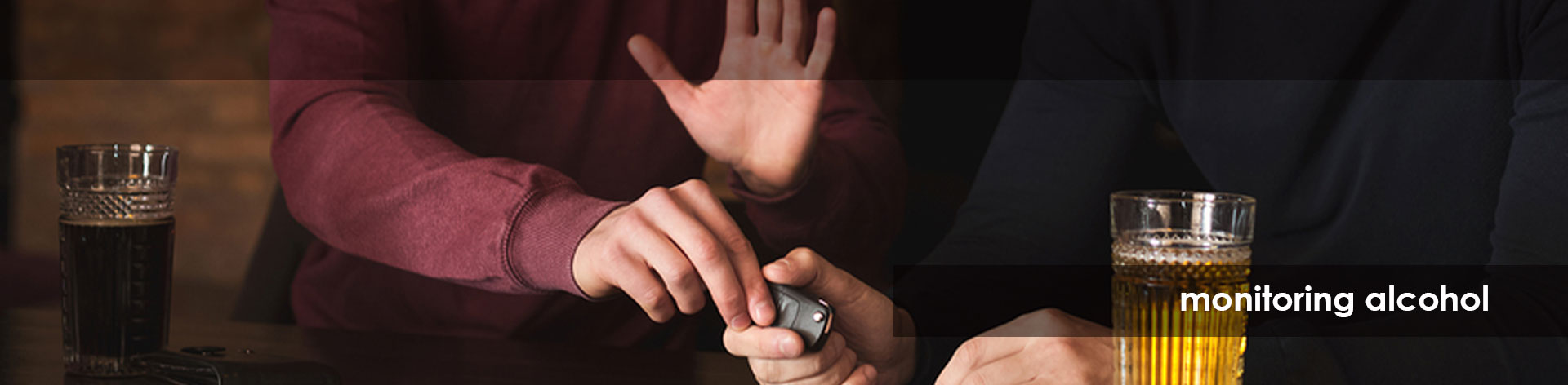
Aussie drink-driving laws have similar penalties, but our BAC level is still at .05. This will be moved to .02 in the coming years. Be safe for you, your family and the person you may injure because, you thought you were ‘ok to drive!’
SHOULD YOU BE DRIVING? DON'T DRINK AND DRIVE....EVER!
Following the analysis, the researchers found that acetaldehyde could, in fact, damage and break DNA within blood stem cells. Chromosomes became rearranged, and the DNA sequence was permanently changed in stem cells. Lead study author Prof. Ketan Patel says, "Some cancers develop due to DNA damage in stem cells. While some damage occurs by chance, our findings suggest that drinking alcohol can increase the risk of this damage."
Fair Work Commission upheld the decision and backed the oil and gas industry’s zero-tolerance alcohol strategy… Despite the incident occurring outside work hours, Commissioner David Gregory said the decision was “reasonable”…“It is obviously designed to protect the individual and to prevent them endangering others.”
A GROUP of south east Melbourne councils, including Kingston Council, wants family violence and “alcohol-related harm” taken into account when considering applications for new liquor stores.
Members of the South-East Melbourne Council Group – Mornington Peninsula, Frankston, Kingston, Casey, Cardinia, Greater Dandenong – have been joined by Maroondah and Knox in seeking the necessary changes to the Planning and Environment Act 1987.
The councils are lobbying Victorian Planning Minister Richard Wynne under the South-East Melbourne Council Group umbrella for increased planning powers to control “packaged liquor outlets”.
If their efforts are supported, liquor shops will have to provide social impact statements along with their planning applications.
Under current planning laws “potential harm” caused by the proliferation of liquor outlets does not present a strong enough reason to refuse a permit.
The councils want the planning rules changed so they can force liquor outlets into shopping centres (“where they are accessible but not convenient”) and discourage them opening “in areas of highest social disadvantage”, near schools or health services which provide drug, alcohol or mental health treatment.
Tom Minear and James Campbell, Herald Sun - December 19, 2017
DRINKERS would face significant price increases for beer and wine under a proposal to cut Australians’ alcohol consumption.
Under the draft plan, released by federal and state ministers, the cost of all alcoholic drinks would not be allowed to fall below a set level.
The draft national alcohol strategy, quietly released last month, also calls for tough restrictions on alcohol advertising during sport, and laws to stop bottle shops providing two-for-one offers and bulk-buy booze discounts.
Other proposals include:
NEW restrictions on the serving of drinks after a certain time, and plastic glassware to be used in “high-risk venues”;
MANDATORY sobriety conditions on repeat offenders, and linked ID scanners to prevent entry to venues;
UNDERCOVER checks to ensure bottle shops and venues do not serve those under age;
ASKING alcohol companies to put “readable, impactful health-related warning labels” on their products. Federal Health Minister Greg Hunt chaired last month’s ministerial forum which agreed to release the draft strategy for a final round of feedback, after three years of consultation, with the aim of finalising it by March.
If you had told me a few years ago that my husband and I would completely cut alcohol out of our life, I would’ve laughed you off sarcastically as we raised our wine glasses for yet another clink and sip and then mocked that ridiculous comment. I mean, come on, who doesn’t drink in today’s society? Apart from certain religious groups, pregnant women or recovering alcoholics.