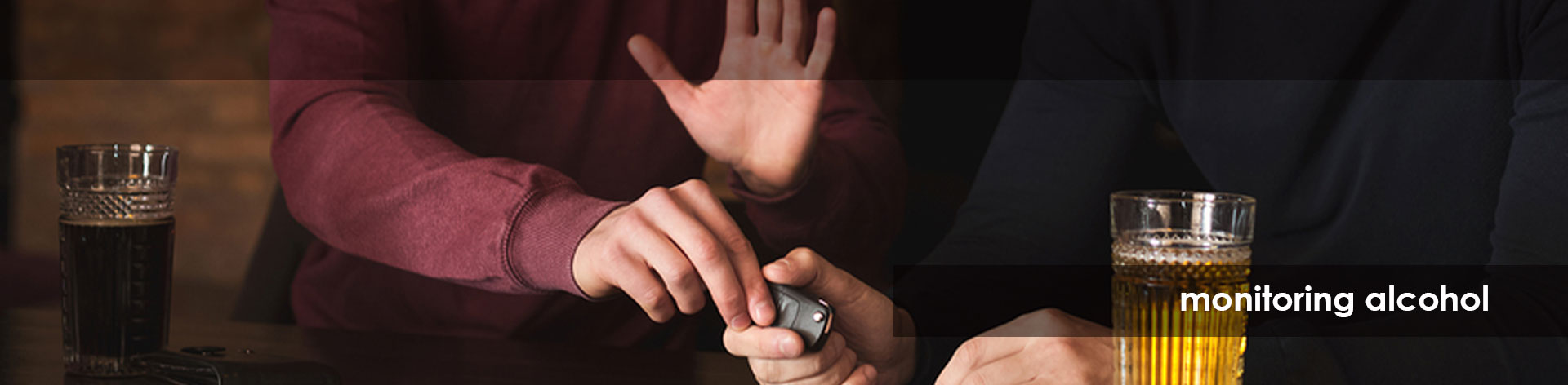
Aussie drink-driving laws have similar penalties, but our BAC level is still at .05. This will be moved to .02 in the coming years. Be safe for you, your family and the person you may injure because, you thought you were ‘ok to drive!’
SHOULD YOU BE DRIVING? DON'T DRINK AND DRIVE....EVER!
A recent study led by researchers at the London School of Hygiene and Tropical Medicine (LSHTM) has uncovered concerning tactics used by alcohol-industry-funded digital tools, highlighting their role in covert marketing strategies. The research examined apps and websites in five English-speaking countries across the Western Hemisphere and found that these tools often spread misinformation and employed ‘dark patterns’—design techniques that manipulate users’ choices against their best interests.
The findings reveal significant disparities between alcohol-industry-funded tools and independent alternatives. Only 33% of the former provided accurate feedback compared to 100% for non-industry-funded resources. Alarmingly, 67% of alcohol-industry-funded tools failed to mention cancer risks, and 80% omitted information on cardiovascular disease. Additionally, 47% of these apps promoted narratives that favour the alcohol industry, encouraging consumption through techniques like priming nudges and social norming.
Dr Elliot Roy-Highley, a co-author of the study, emphasised the need for public awareness about the misleading nature of these apps. He stated that the findings indicate a deliberate attempt to obscure the risks associated with excessive alcohol use, echoing tactics previously employed by the tobacco industry. The researchers are calling for stricter regulations to protect consumers, suggesting that guidelines similar to those advising against tobacco industry-funded resources should also apply to alcohol-related tools.
Professor Mark Petticrew, another co-author, highlighted the importance of shining a light on these ‘dark apps’ to help inform future public health initiatives. As discussions continue on how to address these issues, the researchers hope that their framework will assist in screening digital tools for public use, ensuring they provide accurate health information.
The study underscores the pressing need for clearer labelling and consumer education regarding alcohol consumption, urging both the public and health professionals to be vigilant about the potential risks associated with alcohol-industry-funded apps.
This research highlights how the alcohol industry can be misleading, reminding us just how important it is to trust independent health sources for accurate information about alcohol consumption. It’s crucial for us to stay informed and make choices that genuinely support our health and well-being.
The Interconnection Between Alcohol and Crime: Alcohol consumption is intricately linked to crime and antisocial behaviour, contributing significantly to https://nobrainer.org.au/c8d22c3f-1672-4b0d-8c77-e064131e8d34" alt="Alcohol as a Commercial Driver of Crime" width="515" height="290" style="border: medium; width: 5.368inpx; height: 3.0208inpx;" />public order offences, domestic violence, assault, and murder, as well as rape and sexual assault. Although it is challenging to pinpoint the exact number of crimes caused by alcohol use, studies estimate that alcohol is associated with 30% to 65% of assaults, disorderly conduct, and other social code incidents. Justice Paul Kelly, President of the District Court, noted that if alcohol disappeared overnight, the courts could close, as alcohol pervades nearly all offence categories, including public order and assaults, and significantly impacts family law and childcare cases.
Alcohol’s Broader Societal Impact: The repercussions of alcohol-related crime and antisocial behaviour extend beyond the individuals directly involved, affecting entire communities, society, and the economy. It severely influences perceptions of safety and security, especially in urban centres. Numerous studies have confirmed a positive correlation between alcohol consumption and criminal violence rates, suggesting that increased drinking leads to more violence, while reduced consumption results in less violence.
Statistical Insights on Alcohol and Violence: The Institute of Alcohol Studies has presented robust evidence linking alcohol availability to violence, indicating that as opportunities to purchase alcohol increase, so do violence levels. The Health Research Board estimates that 30% to 65% of certain crimes are associated with alcohol use. The World Health Organization (WHO) findings further align with this, revealing that one-third to one-half of violent perpetrators had consumed alcohol before the incident.
Economic Costs of Alcohol-Related Crime: The costs of alcohol-related crime are multifaceted, encompassing direct costs to the criminal justice system—such as policing, prison, and court expenses—as well as indirect costs like lost productivity and costs borne by crime victims. Research in Australia found that the largest alcohol-related crime costs fell on victims, followed by prison and policing costs. In Ireland, the costs of alcohol harm, including crime, are estimated to be around 1.9% of GDP, equating to approximately €9.6bn to €12bn annually. Crime-related costs are about 11% of this total, suggesting that alcohol-related crime costs the state €1-1.3bn each year.
Alcohol-Related Violence in the Home: Domestic violence related to alcohol often goes unreported, making it challenging to calculate its full economic and human costs. Research indicates a strong association between alcohol retailer density and increased violence, assault, and domestic violence rates. In Ireland, 73% of the population lives within 300 metres of a licensed premises, with off-licence numbers rising by 95% from 2003 to 2021. Nearly 50% of all alcohol in Ireland is purchased on the off trade, impacting domestic violence rates significantly.
The Role of Alcohol in Sexual Assaults: Alcohol consumption is often involved in sexual assaults, though it is crucial to stress that responsibility for such assaults always lies with the perpetrator. In Ireland, 76% of rape defendants had consumed alcohol at the time of the alleged offence. The Rape Crisis Network Ireland identifies alcohol as the most common drug used in sexual assaults.
Impact on Road Safety: Alcohol impairment is a leading factor in road safety, contributing to road collisions and fatalities. Drink driving accounts for 11% of the total cost of alcohol-related harm in Ireland. More than one-third of road user fatalities involved alcohol consumption prior to the incident, with 5,527 drink driving incidents recorded in 2022.
Alcohol and Youth Crime: Alcohol plays a significant role in youth crimes, with alcohol and/or drug use often being the main offences leading young people to engage with law enforcement. Research shows that 86% of probation services clients aged 18-24 reported alcohol and/or drug use, with 38% linking alcohol to their crimes.
Data Limitations and the Underestimated Role of Alcohol in Crime: Despite its significant role, the impact of alcohol on crime is often underestimated due to underreporting, particularly in minor offences, and insufficient data collection. Comprehensive and consistent data collection is essential for understanding the full impact of alcohol-related crime on society.
Strategies for Reducing Alcohol-Related Crime: Reducing alcohol consumption through controls on price, marketing, and availability is seen as a primary strategy to curb alcohol-related crime. Reaching the government’s target of reducing alcohol consumption to 9.1 litres of pure alcohol per capita is crucial. The Cardiff Model for violence prevention is recommended, involving systematic data collection, research on violence risk factors, and implementing effective interventions. (Source: WRD News)
Study Design May Bias the Estimation of the Health Effects of Low-dose Alcohol Consumption
Whether or not low-dose* alcohol consumption confers health benefits has been a recurring question. This systematic review and meta-analysis assessed data from 107 longitudinal studies to investigate whether certain study characteristics may bias estimates of all-cause mortality risk associated with low-dose alcohol consumption by comparing people with low-dose drinking* with those who are not drinking due to health reasons. The authors hypothesized that studies following people from a younger age, and characterizing abstinence as the total absence of drinking over the lifetime, would not find health benefits for low-dose drinking.
Studies with younger cohorts (i.e., mean cohort age of ≤55, followed up beyond 55 years), and studies separating people with former drinking from lifetime abstainers did not find health benefits associated with low-dose drinking (risk ratio [RR], 0.98).
Conversely, studies not meeting these criteria estimated lower risk among people with low-dose drinking compared with abstainers (RR, 0.84).
* Defined as consuming “between one drink per week (>1.30 g ethanol/day) and two drinks per day (<25 g ethanol/day).”
Comments: These results indicate that studying older cohorts and using comparison groups that include people with former drinking leads to biased estimates of the impact of low-dose alcohol consumption, making it appear to be potentially beneficial. These findings have important implications for appropriately assessing the impact of alcohol on population health, and providing credible drinking guidelines to the public.
As an Australian social media summit convenes, Catherine Earl calls for increased transparency in how algorithms target young people with advertising. A staggering 72 million data points are collected on Australian children by the time they turn 13, allowing digital advertisers to exploit their likes, dislikes, and vulnerabilities. This data is often used to push adverts for harmful products, such as alcohol, at a time when young people may be particularly susceptible.
The summit, a collaboration between the New South Wales and South Australian governments, seeks to address both the benefits and the perils of social media for children, focusing on wellbeing, online safety, and countering hate and extremism. It also examines how governments can bolster digital wellbeing initiatives.
A critical issue is the role of commercial interests in creating unsafe online spaces by targeting children with potentially harmful marketing. Companies like Meta have been found to gather real-time psychological insights on children, tagging them with interests in products like alcohol. Research shows teenagers can receive up to 14 alcohol ads in just two hours online, increasing the risk of early and excessive drinking.
Current discussions include proposals to ban children from social media, but such measures do not enhance the safety of these platforms for when access is granted. Instead, a comprehensive policy response is needed, addressing the practices of social media companies and the commercial entities that use their platforms.
The summit urges policymakers to seize opportunities presented by ongoing reviews of The Privacy Act and the Online Safety Act. Amendments are needed to prevent the commercial use of children’s data and to ban alcohol ads alongside children’s content. There is a pressing need for clear insights into how algorithms dictate the adverts shown to young people, holding companies accountable for their practices.
In an era of fast-evolving digital technology, laws must keep pace to protect young people. Ensuring safe online environments is crucial, turning digital spaces into a force for good rather than a source of harm. Protecting children online isn’t just about limiting their screen time—it’s about shielding them from harmful content and exploitative advertising. As social media grows, so does the need for stronger rules that prioritise children’s safety over profits. By holding companies accountable, we can create a digital world where young people are truly safe.
Acute alcohol consumption has long been associated with various cardiac arrhythmias, a phenomenon often referred to as “holiday heart syndrome.” This term describes the occurrence of cardiac arrhythmias, including atrial fibrillation, following episodes of excessive alcohol intake. The specific effects of acute alcohol consumption on the heart, however, remain under- explored. A prospective cohort study, as detailed in Practice Update, sheds light on the temporal progression of cardiac arrhythmias in young adults subsequent to binge drinking episodes.
Study Design and Methodology
This comprehensive study involved 202 volunteers who planned to engage in acute alcohol consumption, with anticipated peak breath alcohol concentrations (BAC) of ≥1.2 g/kg. Participants underwent a 48-hour electrocardiogram (ECG) monitoring across several phases: baseline (hour 0), ‘drinking period’ (hours 1-5), ‘recovery period’ (hours 6-19), and two control periods following the ‘drinking’ and ‘recovery periods’. BAC measurements were taken to monitor acute alcohol intake during the ‘drinking period’. The ECG recordings were analysed for mean heart rate, atrial tachycardia, premature atrial complexes (PACs), premature ventricular complexes (PVCs), and heart rate variability (HRV).
Key Findings on Heart Rate and Arrhythmias
The study revealed a significant increase in heart rate associated with alcohol intake. This was accompanied by an excess of atrial tachycardia events. HRV analyses indicated a modulation of autonomic function, characterised by sympathetic activation during alcohol consumption and the subsequent ‘recovery period’, with a shift towards parasympathetic predominance thereafter. Notably, PACs were more prevalent during the ‘control periods’, while PVCs showed increased frequency during the ‘drinking period’.

 The Interconnection Between Alcohol and Crime: Alcohol consumption is intricately linked to crime and antisocial behaviour, contributing significantly to
 As an Australian social media summit convenes, Catherine Earl calls for increased transparency in how algorithms target young people with advertising. A staggering 72 million data points are collected on Australian children by the time they turn 13, allowing digital advertisers to exploit their likes, dislikes, and vulnerabilities. This data is often used to push adverts for harmful products, such as alcohol, at a time when young people may be particularly susceptible.
 Acute alcohol consumption has long been associated with various cardiac arrhythmias, a phenomenon often referred to as “holiday heart syndrome.” This term describes the occurrence of cardiac arrhythmias, including atrial fibrillation, following episodes of excessive alcohol intake. The specific effects of acute alcohol consumption on the heart, however, remain under- explored. A prospective cohort study, as detailed in Practice Update, sheds light on the temporal progression of cardiac arrhythmias in young adults subsequent to binge drinking episodes.


